
6 prompts ChatGPT pour examiner vos scripts d'appel de prospection (+ modèles)
Découvrez 6 prompts ChatGPT puissants pour examiner et améliorer vos scripts d'appel de prospection, avec des modèles concrets pour booster l'efficacité commerciale et closer plus de deals.


Pourquoi avez-vous besoin de scripts d'appel de prospection ?

Les 6 types d'appels de prospection
Dans l'environnement commercial, un appel de prospection est un appel que vous passez à un prospect avec pour objectif final de closer un deal. Il existe différents types d'appels de prospection, qui correspondent à différentes situations et étapes du processus de vente :
- Cold calls : pour initier un contact avec des prospects qui n'ont eu aucune interaction préalable avec votre entreprise.
- Warm calls : pour échanger avec des prospects ayant déjà montré de l'intérêt pour votre produit ou votre entreprise.
- Follow-up calls : pour poursuivre la discussion après un premier contact.
- Appels de prise de rendez-vous : pour caler une réunion, une démo ou une consultation avec le prospect.
- Check-in calls : pour entretenir la relation avec le prospect et assurer sa satisfaction.
- Closing calls : pour finaliser le deal.
Pourquoi les scripts d'appel de prospection sont-ils importants ?

Les appels de prospection sont une part majeure du métier de commercial. Les scripts d'appel de prospection vous aident à y être préparé et présentent plusieurs avantages :
- Exhaustivité : les scripts garantissent que tous les sujets clés sont couverts pendant l'appel.
- Professionnalisme : des scripts bien préparés permettent de maintenir un haut niveau de professionnalisme pendant les appels.
- Cohérence : des scripts standardisés assurent la cohérence du message des commerciaux.
- Clarté : les scripts permettent aux commerciaux de savoir quels messages clés délivrer aux prospects.
- Efficacité : un script aide les commerciaux à aller droit au but et à être plus efficaces.
- Gestion des objections : les scripts préparent les commerciaux à répondre avec assurance aux questions et préoccupations courantes.
- Onboarding facilité : les scripts facilitent l'onboarding des nouveaux commerciaux, qui disposent de documents et de modèles pour gérer leurs appels.
Les scripts d'appel de prospection sont essentiels pour toute équipe commerciale, car ils renforcent l'efficacité globale des commerciaux, l'engagement des prospects et le taux de conversion. Dans ce guide, je vais expliquer comment utiliser ChatGPT pour générer des prompts efficaces pour créer et examiner vos scripts d'appel de prospection.
Comment utiliser ChatGPT ?
Utiliser ChatGPT pour rédiger des scripts de cold call efficaces est simple. Voici un guide étape par étape pour accéder à cet outil puissant et l'exploiter :
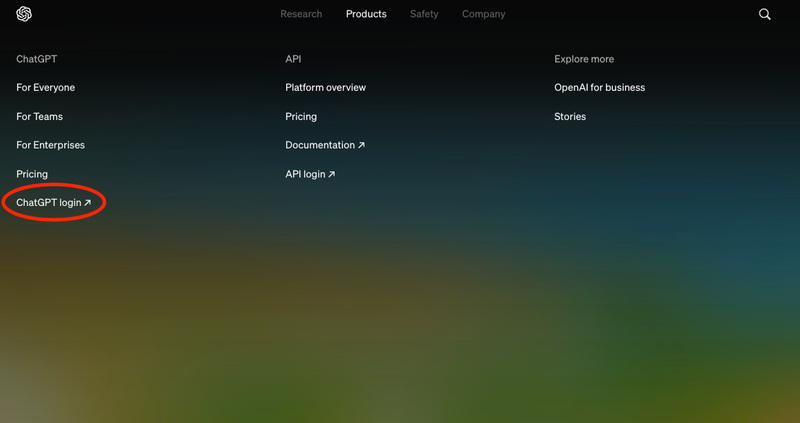
- Accéder à ChatGPT : rendez-vous d'abord sur le site d'OpenAI ou sur la plateforme qui héberge l'application ChatGPT. Vous devrez créer un compte si ce n'est pas déjà fait.
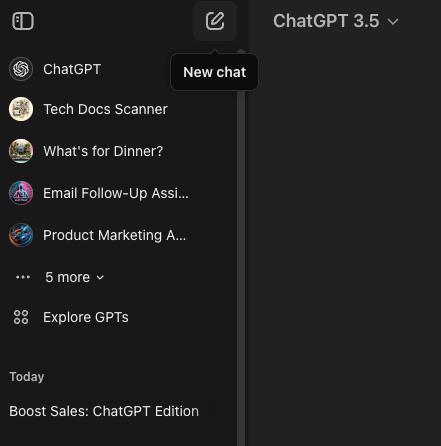
- Démarrer une nouvelle session : une fois connecté, cherchez l'option pour lancer une nouvelle conversation ou session. C'est là que vous saisirez vos prompts.
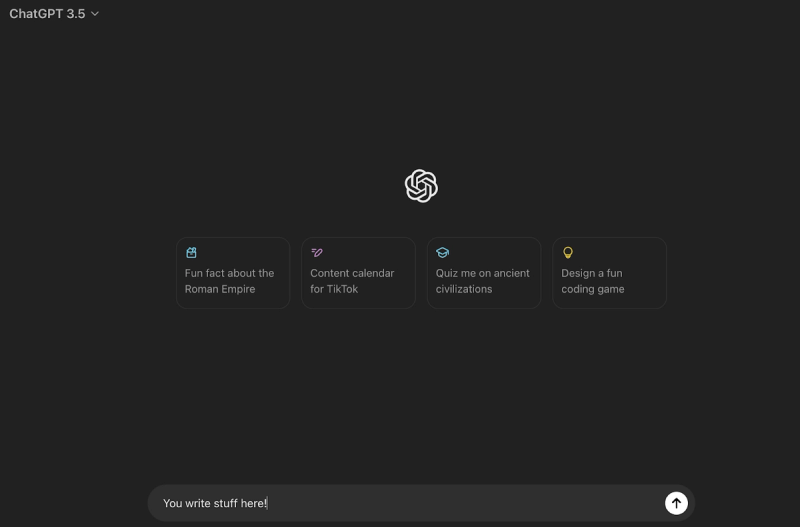
- Saisir vos prompts : réfléchissez à ce que vous voulez obtenir avec votre cold call. Quels sont les points clés à aborder ? Tapez-les dans ChatGPT sous forme de prompts. Par exemple, vous pouvez saisir « introduction for a cold call about a new financial planning service » ou « how to ask about current suppliers in a cold call ». Ou utilisez l'un des prompts de la section ci-dessous.
- Générer des scripts : après avoir saisi votre prompt, ChatGPT traite l'information et génère un texte adapté à vos exigences. Ce texte sera formulé pour engager et intéresser le type de client que vous ciblez.
- Affiner le script : une fois le script initial obtenu, vous pouvez l'affiner pour mieux coller à votre voix ou aux besoins spécifiques de votre campagne. Ajustez le vocabulaire, ajoutez des touches personnelles ou modifiez le call to action.
- S'entraîner et déployer : répétez le script pour qu'il sonne naturel lorsque vous le délivrez. Utilisez-le ensuite lors de vos cold calls réels pour voir comment il performe avec de vrais clients.
En suivant ces étapes, vous pouvez utiliser ChatGPT pour créer des scripts de cold call personnalisés et efficaces, conçus pour convertir vos leads en clients.
Qu'est-ce qu'un bon script d'appel de prospection ?

- Une accroche engageante : la première impression peut déterminer l'issue de la discussion. C'est pourquoi votre script doit commencer par une accroche engageante, en utilisant des éléments très spécifiques (nom du prospect, détail sur l'entreprise…).
- Un fort niveau de personnalisation : les éléments personnalisés doivent être partout dans votre script. Cela montre que vous vous intéressez au prospect et bâtit la confiance dans la relation. N'hésitez pas à intégrer des informations spécifiques sur l'activité, les défis ou l'industrie du prospect.
- Un ton naturel : votre script doit être préparé de manière à vous permettre de paraître naturel et chaleureux à l'oral.
- La concision : votre script doit être concis et aller droit au but, en se concentrant uniquement sur les informations les plus importantes, délivrées clairement et efficacement.
- Un déroulé structuré : votre script doit sembler naturel et passer d'une section à l'autre en douceur.
- Des questions ouvertes : quelle que soit l'étape du processus de vente, utilisez toujours des questions ouvertes. Elles vous aident à obtenir des informations précieuses sur les besoins, les objectifs et les points de friction de votre prospect.
- La gestion des objections : votre script doit contenir une section dans laquelle vous préparez vos réponses aux objections et préoccupations courantes que pourrait soulever le prospect.
- Un call to action : votre script doit se terminer par un call to action clair pour poursuivre la discussion (ou closer le deal).
6 meilleurs prompts pour générer et examiner vos scripts d'appel de prospection
Cold calls

Génération :
Generate a cold call script for a salesperson named [Salesperson Name] in the [Industry] industry. The script should start with an engaging opening that includes the prospect's name and a detail about their company to immediately capture their attention. Personalize the script by incorporating specific information about the prospect's business, challenges, or industry to demonstrate understanding and build rapport. Maintain a natural and friendly tone throughout the script to establish a comfortable conversation environment. Keep the script concise and straight to the point, focusing on delivering key information efficiently. Structure the flow of the script to transition smoothly from the introduction to discussing the product/service [Product/Service Name] and its top benefit [Top Benefit] in relation to the prospect's potential needs or pain points. Use open-ended questions strategically to uncover the prospect's current challenges, goals, and needs. Include a section for objection handling to prepare responses to common objections or concerns the prospect may raise. End with a clear call to action, such as scheduling a meeting or demo, to keep the conversation moving forward towards a potential sale.
Revue :
Review the cold call script for a salesperson named [Salesperson Name] in the [Industry] industry. Evaluate the script based on the following criteria:
Engaging Opening: Does the script start with a compelling and personalized opening that captures the prospect's attention? Does it include specific elements such as the prospect's name and a detail about their company to make a strong first impression?High Level of Personalization: Is the script personalized throughout? Does it demonstrate understanding of the prospect's business, challenges, or industry? Are there personalized touches that build rapport and trust?Natural Tone: Does the script sound natural and conversational? Does it avoid sounding scripted or robotic? Can the salesperson deliver it in a friendly and approachable manner?Conciseness: Is the script concise and to the point? Does it focus on delivering key information efficiently without unnecessary details or jargon?Structured Flow: Does the script flow smoothly from one section to another? Are transitions between introduction, product/service introduction, probing questions, and call to action clear and logical?Open-Ended Questions: Are open-ended questions used effectively to engage the prospect and gather valuable information about their needs, challenges, and goals?Objection Handling: Does the script include a section for handling common objections? Are there prepared responses to address potential concerns the prospect may raise?Call to Action: Does the script end with a clear and compelling call to action? Does it encourage the prospect to take the next step, such as scheduling a meeting or demo?
[Insert your cold call script here]
Provide feedback on each of these aspects of the cold call script to ensure it is well-rounded and optimized for effectively engaging prospects and initiating meaningful conversations.
Warm calls

Génération :
Generate a warm call script for a salesperson named [Salesperson Name] in the [Industry] industry. The script should start with a warm and personalized greeting, acknowledging the prospect's previous interest in [Product/Service Name] or the company. Mention a specific detail or interaction that indicates their interest, such as a recent inquiry, download, or interaction with marketing content. Reaffirm the value proposition of [Product/Service Name] and how it addresses the prospect's needs or pain points based on their previous interactions or stated interests. Ask open-ended questions to further explore their specific challenges, goals, and current situation. Provide additional information or insights that build on their existing interest and demonstrate your understanding of their needs. Anticipate and address potential objections based on their previous interactions or known concerns. Close with a clear call to action, such as scheduling a demo, discussing a customized solution, or providing more detailed information tailored to their needs. Maintain a friendly and conversational tone throughout the script to continue building rapport and trust.
Revue :
Review the warm call script for a salesperson named [Salesperson Name] in the [Industry] industry. Evaluate the script based on the following criteria:
Engaging Opening: Does the script start with a compelling and personalized opening that captures the prospect's attention? Does it include specific elements such as the prospect's name and a detail about their company to make a strong first impression?High Level of Personalization: Is the script personalized throughout? Does it demonstrate understanding of the prospect's business, challenges, or industry? Are there personalized touches that build rapport and trust?Natural Tone: Does the script sound natural and conversational? Does it avoid sounding scripted or robotic? Can the salesperson deliver it in a friendly and approachable manner?Conciseness: Is the script concise and to the point? Does it focus on delivering key information efficiently without unnecessary details or jargon?Structured Flow: Does the script flow smoothly from one section to another? Are transitions between introduction, product/service introduction, probing questions, and call to action clear and logical?Open-Ended Questions: Are open-ended questions used effectively to engage the prospect and gather valuable information about their needs, challenges, and goals?Objection Handling: Does the script include a section for handling common objections? Are there prepared responses to address potential concerns the prospect may raise?Call to Action: Does the script end with a clear and compelling call to action? Does it encourage the prospect to take the next step, such as scheduling a meeting or demo?
[Insert your warm call script here]
Provide feedback on each of these aspects of the warm call script to ensure it is well-rounded and optimized for effectively engaging prospects and initiating meaningful conversations.
Follow-up calls
Génération :
Generate a follow-up call script for a salesperson named [Salesperson Name] in the [Industry] industry. The script should start with a warm greeting and a brief reference to the previous interaction or meeting with the prospect. Express appreciation for their time and interest shown so far. Recap key points discussed during the initial contact to refresh their memory. Reaffirm the value proposition of [Product/Service Name] and how it aligns with the prospect's needs or challenges discussed previously. Ask open-ended questions to gather updates on any developments since your last conversation, such as changes in priorities or new challenges they might be facing. Provide additional insights or information that address any specific concerns or questions that arose during the initial contact. Anticipate and handle any potential objections that may have arisen since the last conversation. Close by summarizing the next steps and proposing a clear action item, such as scheduling a follow-up meeting or providing a proposal. Maintain a professional yet friendly tone throughout the script to continue building rapport and trust.
Revue :
Review the follow-up call script for a salesperson named [Salesperson Name] in the [Industry] industry. Evaluate the script based on the following criteria:
Engaging Opening: Does the script start with a compelling and personalized opening that captures the prospect's attention? Does it include specific elements such as the prospect's name and a detail about their company to make a strong first impression?High Level of Personalization: Is the script personalized throughout? Does it demonstrate understanding of the prospect's business, challenges, or industry? Are there personalized touches that build rapport and trust?Natural Tone: Does the script sound natural and conversational? Does it avoid sounding scripted or robotic? Can the salesperson deliver it in a friendly and approachable manner?Conciseness: Is the script concise and to the point? Does it focus on delivering key information efficiently without unnecessary details or jargon?Structured Flow: Does the script flow smoothly from one section to another? Are transitions between introduction, product/service introduction, probing questions, and call to action clear and logical?Open-Ended Questions: Are open-ended questions used effectively to engage the prospect and gather valuable information about their needs, challenges, and goals?Objection Handling: Does the script include a section for handling common objections? Are there prepared responses to address potential concerns the prospect may raise?Call to Action: Does the script end with a clear and compelling call to action? Does it encourage the prospect to take the next step, such as scheduling a meeting or demo?
[Insert your follow-up call script here]
Provide feedback on each of these aspects of the follow-up call script to ensure it is well-rounded and optimized for effectively engaging prospects and initiating meaningful conversations.
Appels de prise de rendez-vous

Génération :
Generate an appointment setting call script for a salesperson named [Salesperson Name] in the [Industry] industry. The script should start with a warm and professional greeting, addressing the prospect by name. Remind the prospect of your previous interactions or interests they have shown in [Product/Service Name] to establish context. Briefly summarize the key benefits and value propositions of [Product/Service Name] that are relevant to their needs or challenges. Ask a qualifying question to confirm their interest and readiness to move forward with a meeting, demo, or consultation. Offer specific dates and times for the appointment, providing options for flexibility to accommodate their schedule. Handle any potential objections or concerns they may have about the appointment, such as timing or agenda. Reiterate the potential benefits of the meeting, demo, or consultation to reinforce the value they will receive. Close with a clear call to action, requesting confirmation of the appointment time and ensuring they have all the necessary information for the meeting. Maintain a friendly and confident tone throughout the script to build rapport and encourage a positive response.
Revue :
Review the appointment setting call script for a salesperson named [Salesperson Name] in the [Industry] industry. Evaluate the script based on the following criteria:
Engaging Opening: Does the script start with a compelling and personalized opening that captures the prospect's attention? Does it include specific elements such as the prospect's name and a detail about their company to make a strong first impression?High Level of Personalization: Is the script personalized throughout? Does it demonstrate understanding of the prospect's business, challenges, or industry? Are there personalized touches that build rapport and trust?Natural Tone: Does the script sound natural and conversational? Does it avoid sounding scripted or robotic? Can the salesperson deliver it in a friendly and approachable manner?Conciseness: Is the script concise and to the point? Does it focus on delivering key information efficiently without unnecessary details or jargon?Structured Flow: Does the script flow smoothly from one section to another? Are transitions between introduction, product/service introduction, probing questions, and call to action clear and logical?Open-Ended Questions: Are open-ended questions used effectively to engage the prospect and gather valuable information about their needs, challenges, and goals?Objection Handling: Does the script include a section for handling common objections? Are there prepared responses to address potential concerns the prospect may raise?Call to Action: Does the script end with a clear and compelling call to action? Does it encourage the prospect to take the next step, such as scheduling a meeting or demo?
[Insert your appointment setting call script here]
Provide feedback on each of these aspects of the appointment setting call script to ensure it is well-rounded and optimized for effectively engaging prospects and initiating meaningful conversations.
Check-in calls

Génération :
Generate a check-in call script for a salesperson named [Salesperson Name] in the [Industry] industry. The script should start with a warm and friendly greeting, addressing the prospect by name. Express genuine interest in their well-being and satisfaction since their last interaction with [Product/Service Name]. Recap the key points discussed during your previous interactions to refresh their memory. Inquire about their experience with [Product/Service Name] since then, focusing on any feedback or concerns they may have shared previously. Listen actively to their responses and acknowledge any challenges or successes they mention. Offer assistance or solutions to address any issues they raise, demonstrating your commitment to their satisfaction. Provide updates on relevant developments or improvements with [Product/Service Name] that may benefit them. Seek opportunities for upselling or cross-selling if appropriate, based on their current needs or usage of the product/service. Close the call by expressing gratitude for their time and feedback, and confirm any follow-up actions if necessary. Maintain a professional yet friendly tone throughout the call to reinforce your relationship and ensure a positive customer experience.
Revue :
Review the check-in call script for a salesperson named [Salesperson Name] in the [Industry] industry. Evaluate the script based on the following criteria:
Engaging Opening: Does the script start with a compelling and personalized opening that captures the prospect's attention? Does it include specific elements such as the prospect's name and a detail about their company to make a strong first impression?High Level of Personalization: Is the script personalized throughout? Does it demonstrate understanding of the prospect's business, challenges, or industry? Are there personalized touches that build rapport and trust?Natural Tone: Does the script sound natural and conversational? Does it avoid sounding scripted or robotic? Can the salesperson deliver it in a friendly and approachable manner?Conciseness: Is the script concise and to the point? Does it focus on delivering key information efficiently without unnecessary details or jargon?Structured Flow: Does the script flow smoothly from one section to another? Are transitions between introduction, product/service introduction, probing questions, and call to action clear and logical?Open-Ended Questions: Are open-ended questions used effectively to engage the prospect and gather valuable information about their needs, challenges, and goals?Objection Handling: Does the script include a section for handling common objections? Are there prepared responses to address potential concerns the prospect may raise?Call to Action: Does the script end with a clear and compelling call to action? Does it encourage the prospect to take the next step, such as scheduling a meeting or demo?
[Insert your check-in call script here]
Provide feedback on each of these aspects of the check-in call script to ensure it is well-rounded and optimized for effectively engaging prospects and initiating meaningful conversations.
Closing calls

Génération :
Generate a closing call script for a salesperson named [Salesperson Name] in the [Industry] industry. The script should start with a confident and professional greeting, addressing the prospect by name. Recap the key points of your previous discussions and interactions to reaffirm their interest in [Product/Service Name]. Highlight the specific benefits and value propositions that resonate most with the prospect based on previous conversations. Confirm their readiness to move forward with the purchase decision by asking a closing question, such as 'Are you ready to proceed with implementing [Product/Service Name]?' Handle any remaining objections or concerns they may have by addressing them directly and providing reassurances or additional information as needed. Discuss pricing, terms, or any contractual details clearly and transparently. If necessary, negotiate terms or offer incentives to encourage the prospect to make a decision. Close the call with a clear call to action, such as 'Shall we proceed with the contract?' or 'When would be a good time to finalize the details?' Ensure to confirm next steps, such as sending over documents or scheduling a follow-up meeting to sign the agreement. Express gratitude for their time and consideration, and reinforce your commitment to their satisfaction. Maintain a confident and professional tone throughout the call to inspire confidence and encourage a positive decision.
Revue :
Review the closing call script for a salesperson named [Salesperson Name] in the [Industry] industry. Evaluate the script based on the following criteria:
Engaging Opening: Does the script start with a compelling and personalized opening that captures the prospect's attention? Does it include specific elements such as the prospect's name and a detail about their company to make a strong first impression?High Level of Personalization: Is the script personalized throughout? Does it demonstrate understanding of the prospect's business, challenges, or industry? Are there personalized touches that build rapport and trust?Natural Tone: Does the script sound natural and conversational? Does it avoid sounding scripted or robotic? Can the salesperson deliver it in a friendly and approachable manner?Conciseness: Is the script concise and to the point? Does it focus on delivering key information efficiently without unnecessary details or jargon?Structured Flow: Does the script flow smoothly from one section to another? Are transitions between introduction, product/service introduction, probing questions, and call to action clear and logical?Open-Ended Questions: Are open-ended questions used effectively to engage the prospect and gather valuable information about their needs, challenges, and goals?Objection Handling: Does the script include a section for handling common objections? Are there prepared responses to address potential concerns the prospect may raise?Call to Action: Does the script end with a clear and compelling call to action? Does it encourage the prospect to take the next step, such as scheduling a meeting or demo?
[Insert your closing call script here]
Provide feedback on each of these aspects of the closing call script to ensure it is well-rounded and optimized for effectively engaging prospects and initiating meaningful conversations.needs and the capabilities of [Product/Service Name], and ask if they can see how it can effectively support their goals.
Découvrez Claap et boostez votre taux de closing de 50 %
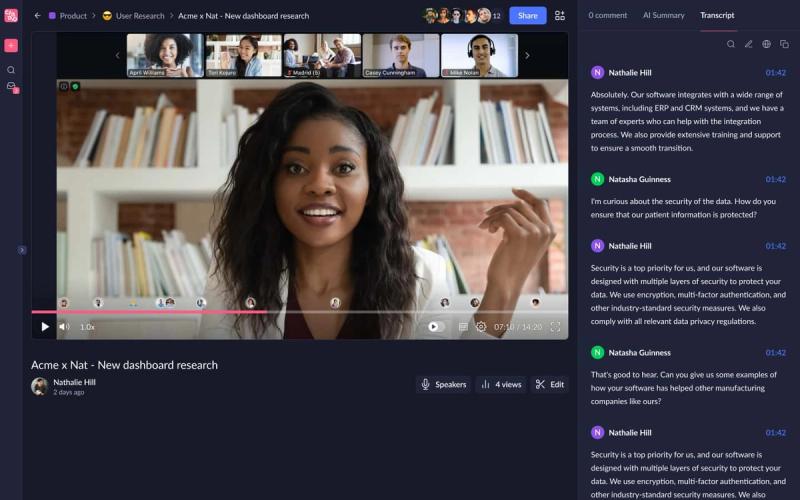
Claap est un outil de transcription audio et vidéo, et un enregistreur de réunions. Mais ce n'est pas tout.
Claap vous aide à être plus convaincant
Comme vous l'avez compris, Claap supprime le besoin de prendre des notes. Et c'est un game changer : vous pouvez vous concentrer entièrement sur votre prospect et donc avoir plus d'impact. Vous risquez aussi moins d'oublier un point que votre interlocuteur a mentionné… Vous pouvez même consulter le résumé généré par Claap pour repérer directement les éléments importants à garder en tête !
Cela vous aide à construire un pitch plus convaincant et à augmenter votre taux de conversion !
Claap vous aide à être plus efficace
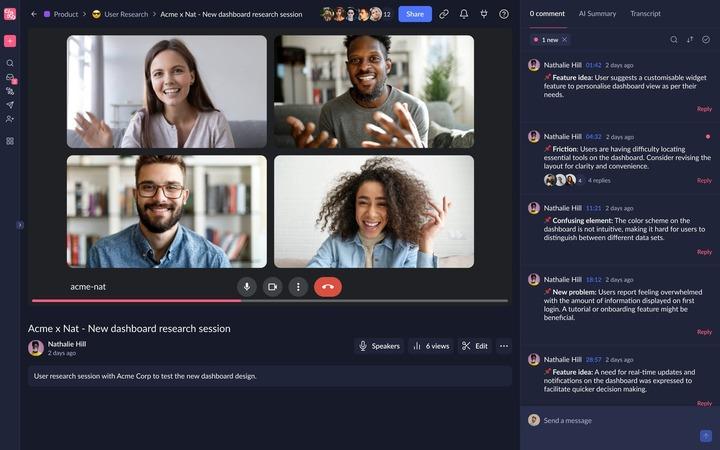
Claap est un outil de réunion asynchrone. Sur la plateforme Claap, vous pouvez enregistrer votre écran tout en gardant la caméra activée. De cette façon, vous pouvez transmettre n'importe quelle information dans une vidéo de 2 à 5 minutes. C'est ce qu'on appelle un claap.
C'est une révolution. Au lieu de passer 30 minutes en réunion synchrone, vous passez 10 minutes à enregistrer une courte vidéo pour communiquer avec votre prospect. Ensuite, il peut y répondre sur l'interface Claap, réagir, ajouter des commentaires… et tout cela de façon très précise puisqu'il peut même sélectionner une partie de l'écran pour réagir !
Guillaume De Nacquard, de Surfe, utilise Claap et a observé un effet significatif sur son travail :
« Chaque fois que je faisais ça, j'avais des taux de conversion d'environ 40 %, contre 3, 4 ou 5 % avec des approches classiques. »
Claap raccourcit votre cycle de vente
Avec Claap, vous êtes non seulement plus efficace, mais vous pouvez aussi closer plus de deals, car Claap raccourcit votre cycle de vente !
Comme je l'ai expliqué plus haut, vous communiquez via de courtes vidéos envoyées à vos prospects. Inutile de trouver un créneau qui convienne à votre agenda et à celui de votre prospect, puis de passer 30 minutes à 1 heure à tout expliquer en direct. Pour conclure le deal, une réunion synchrone peut être utile (vous pouvez alors utiliser vos questions de closing), mais vous gagnerez tout de même beaucoup de temps sur l'ensemble du processus de vente !
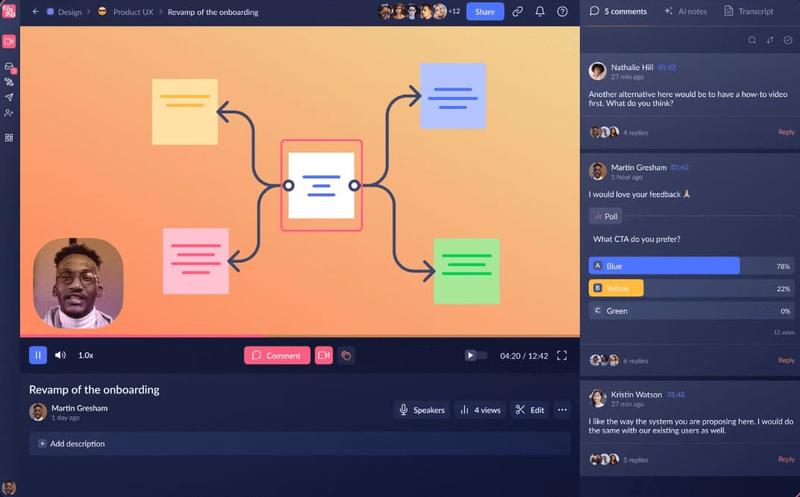
En résumé, Claap est un outil formidable pour une équipe commerciale. Si vous n'êtes pas encore convaincu, vous pouvez tester les fonctionnalités de Claap gratuitement pendant 14 jours. Lancez-vous maintenant et voyez la différence ! (Plan gratuit, sans carte bancaire requise.)
![Learn how sales videos can help you win more deals [Tips, Techniques & Examples]](https://cdn.sanity.io/images/gb4upfg4/staging/598c98e38c098a0f797d3ca47c5a9083661df3dc-1536x864.jpg?w=800&h=450&fit=crop&auto=format&q=75)